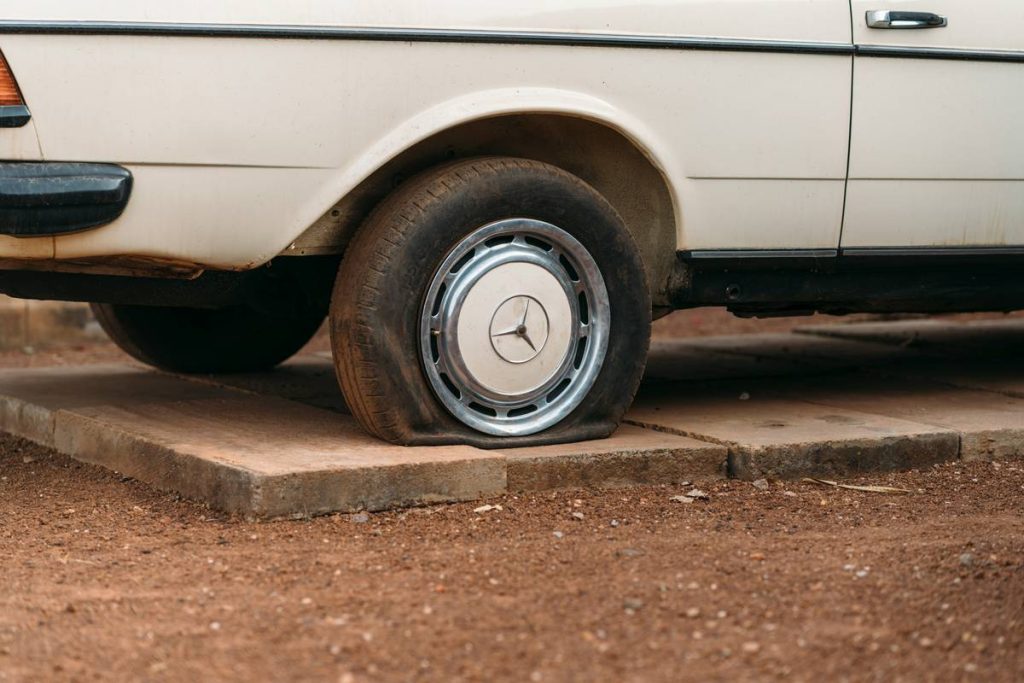
You’re stranded on a desolate highway at 2 a.m. Rain pelts your windshield. Your engine won’t turn over. You remember your credit card offers “tow plan coverage.” Relief floods in—until you call and realize it’s capped at 5 miles… to a service station that doesn’t exist nearby. And your insurer wants a $75 co-pay. Suddenly, “coverage” feels like a mirage. Here’s how to cut through the fine print—and get real help when you need it most.
Why Standard Tow Plan Coverage Often Leaves You Stranded
Most credit card roadside assistance programs advertise “free towing”—but bury critical limits in subsection (d)(iii) of their terms. Think: 3 to 5 miles max. No rural coverage. Exclusions for commercial vehicles or modified cars. And zero coordination with local mechanics who actually know your region.
Insurance-based plans aren’t much better. They often require pre-authorization during emergencies—a bureaucratic nightmare when you’re freezing in a breakdown lane. Worse, many don’t cover winching, flat tire changes on SUVs, or battery jumps in sub-zero temps.
The illusion of protection is dangerous. Because peace of mind isn’t about having a plan—it’s about having a usable one.
How to Activate Real Tow Plan Coverage That Works When It Matters
Step 1: Audit Your Existing Coverage—Fast
Pull out your credit card’s benefits guide. Search “roadside” or “towing.” Note: maximum distance, service hours, vehicle eligibility, and whether it covers labor (e.g., lockout service). Repeat for your auto insurance policy.

Step 2: Compare True Out-of-Pocket Costs
Don’t just look at monthly premiums. Calculate what you’d pay during an actual breakdown—including wait times, deductibles, and excluded services. Many “free” plans cost more in delays and supplemental fees than a dedicated membership.
| Service Type | Average Cost Per Incident | Tow Plan Coverage Limits | Real-World Usability |
|---|---|---|---|
| Credit Card Roadside | $0 (on paper) | 3–5 miles; excludes weekends in some cases | Low—requires app activation, GPS verification delays |
| Auto Insurance Add-On | $50–$100 deductible | Up to 15 miles; no winching | Moderate—slow claims approval during storms |
| Dedicated Towing Club (e.g., AAA Plus) | $60–$120/year | Unlimited tows up to 100 miles; includes battery, lockouts, tire service | High—24/7 dispatch, local provider network |
Step 3: Layer Coverage Strategically
Smart drivers don’t rely on one source. Use your credit card for minor city incidents—but keep a backup membership for long trips or rural areas. And always carry jumper cables. Technology fails. People don’t.

The Industry Secret: Not All Towing Networks Are Equal
Here’s what banks and insurers won’t tell you: they subcontract roadside calls to third-party aggregators who bid lowest—not fastest or most reliable. Your “covered” tow could arrive in 90 minutes… driven by someone unfamiliar with your truck’s lift kit.
But premium clubs like Better World Club or regional co-ops (think Oregon Trail Auto Association) use vetted local garages. Their drivers know mountain passes, desert heat protocols, and EV-specific procedures. That’s not marketing—it’s operational design.
And yes, some credit cards now partner with these elite networks—if you hold their premium metal cards. Check your issuer’s fine print for “enhanced roadside” tiers. Most customers never activate them.
Frequently Asked Questions
Does tow plan coverage include flat tire replacement?
Only if it explicitly lists “tire service.” Many credit cards cover installation of your spare—but not supplying a new tire. Always confirm labor vs. parts coverage.
Can I use my spouse’s credit card roadside assistance?
Generally, no. Benefits apply only to the cardholder listed on the account. Some premium cards extend to immediate family—check your guide.
Is tow plan coverage worth it for hybrid or electric vehicles?
Caution: standard plans may void EV warranties if improper towing methods are used. Ensure your provider trains drivers on EV transport—many don’t.