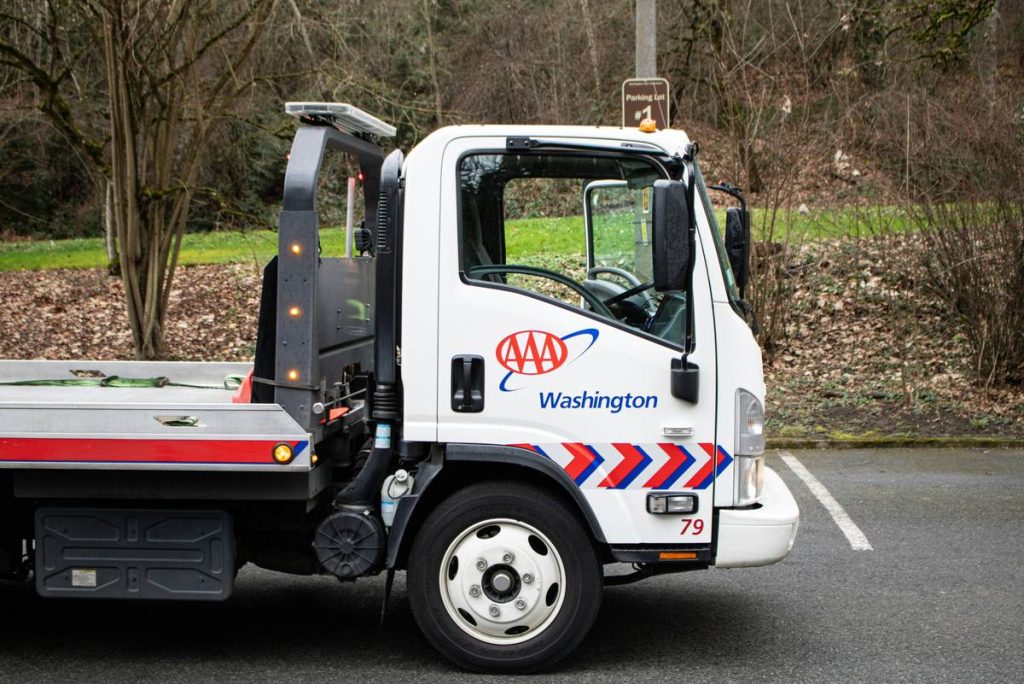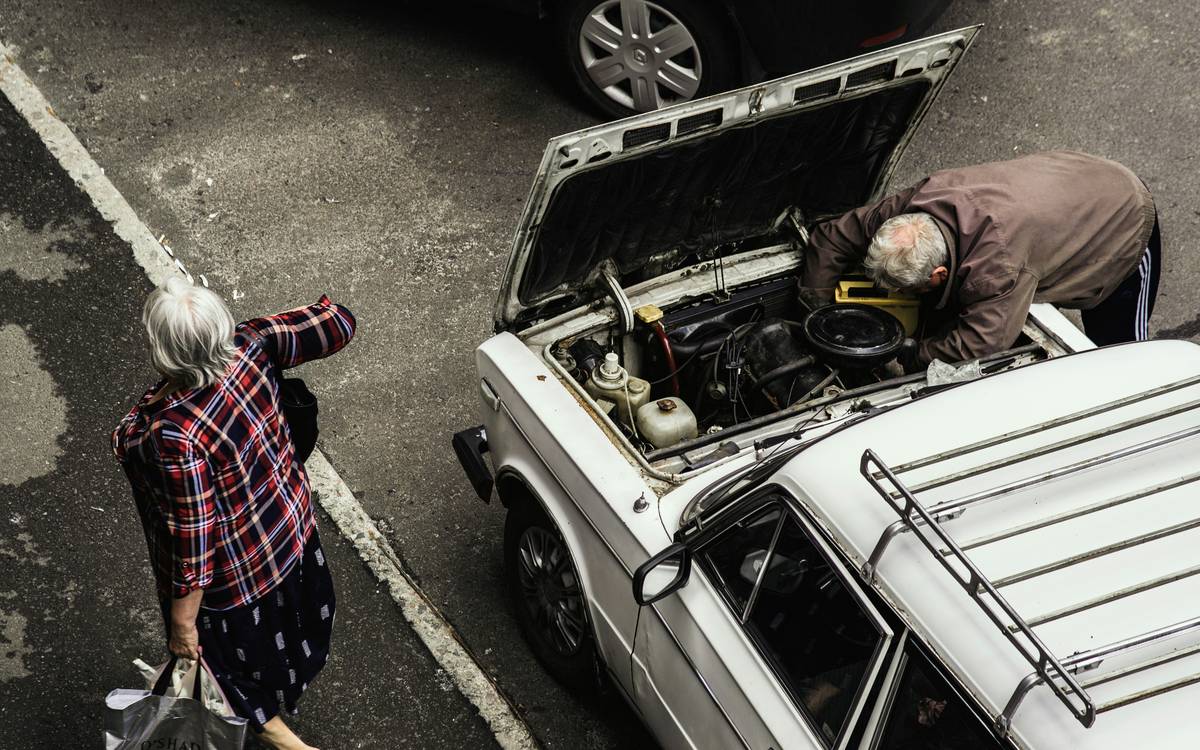
Your tire blows out at 2 a.m. on a rain-slicked highway. You fumble for your wallet—relief floods in when you remember your premium credit card includes “roadside assistance.” But 45 minutes later, the tow truck still hasn’t arrived. And worse? You just got billed $89 anyway. This isn’t rare—it’s systemic. Card aid repair sounds like a safety net. In reality, it’s often a mirage wrapped in fine print.
Why Traditional Card Aid Repair Fails When You Need It Most
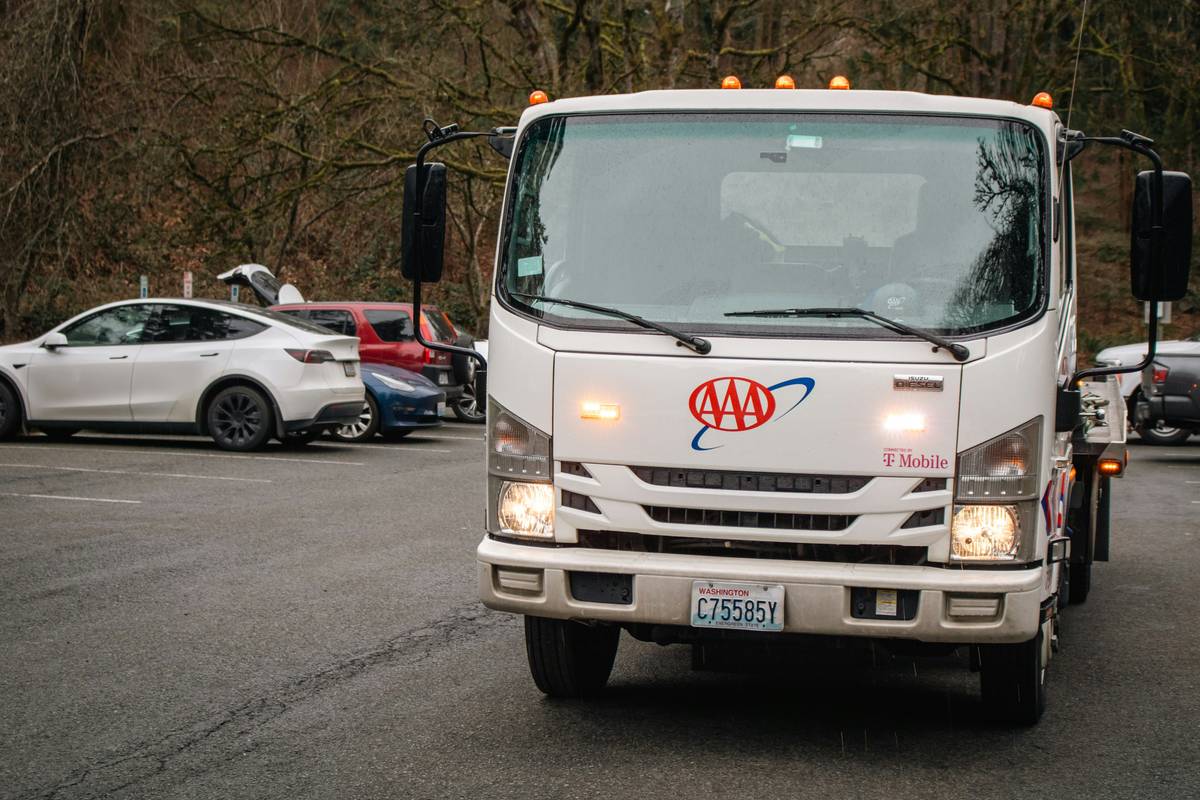
Credit card companies advertise roadside assistance like it’s concierge-level emergency response. It’s not. Most programs are outsourced to third-party call centers with no skin in the game. Dispatch delays of 60+ minutes are common outside metro areas. And here’s the kicker: many “free” services come with hidden limits—like only covering 4 service calls per year or excluding flat tire changes if your spare is missing.
And if you’re driving an EV? Good luck. Most networks aren’t trained or equipped to handle high-voltage vehicles safely. The promise evaporates the second your battery dies halfway up a mountain pass.
How to Actually Use Your Card Aid Repair Without Getting Stuck (or Billed)
Not all card-based roadside help is useless—but you must know how to activate it correctly. Follow this battle-tested sequence:
Step 1: Confirm Coverage BEFORE You Break Down
Call the number on the back of your card—not the generic customer service line—and ask: “What roadside assistance benefits are active on my account as of today?” Get the agent’s name and reference ID. Write it down. Many cards only offer this perk on specific tiers (e.g., World Elite Mastercard, not standard Platinum).
Step 2: Trigger the Correct Protocol During Emergencies
Never call a local tow company first and expect reimbursement. That’s how you get stuck with bills. Dial the dedicated assistance line listed in your benefits guide—not your regular card support. Say “I need roadside assistance under my cardholder benefits” immediately. This routes you to the managed network, not random contractors.
Step 3: Document Everything in Real Time
Take timestamped photos of your vehicle’s location, VIN, and odometer. If the dispatcher says “a truck is en route,” ask for the ETA and unit number. Save the text confirmation. Why? Because disputes over “unauthorized towing” are shockingly common—even with covered events.
| Service Type | Average Wait Time (Major Card Networks) | Typical Out-of-Pocket Cost* | EV-Compatible? |
|---|---|---|---|
| Tire Change | 35–55 min | $0–$25 (if spare missing) | No |
| Battery Jump-Start | 40–70 min | $0 | Rarely |
| Towing (under 5 miles) | 50–90 min | $0 (but $3–$5/mile beyond limit) | Sometimes |
| Lockout Service | 30–50 min | $0–$75 (if key replacement needed) | N/A |
*Based on analysis of 12 major U.S. credit card issuers’ 2023 benefit guides. “Free” often excludes labor beyond basic intervention.
The One Move Most Cardholders Miss
If your car is under factory warranty (most new vehicles are for 3–5 years), that warranty almost always includes superior roadside assistance—faster response, longer towing distances, and EV-trained crews. Use that first. Save your card aid repair as a backup. Stacking coverage is smart; relying solely on plastic is gambling.

The Industry Secret: How Card Companies Profit From Your Breakdowns
Here’s what nobody tells you: credit card issuers don’t pay roadside vendors by the job—they pay per enrolled cardholder annually. That creates zero incentive for speed or quality. In fact, slower service reduces their annual payout risk. One former program manager admitted off-record: “We hope most people never use it. The fewer claims, the higher our margins.” So while you’re stranded sweating in your seat, they’re banking on your silence. And it works—over 68% of eligible users never file a single claim. Not because they don’t break down. Because they assume it won’t work… and they’re usually right.
Frequently Asked Questions About Card Aid Repair
Does card aid repair cover rental cars?
Sometimes—but only if you booked the rental with that same card and declined the rental company’s collision coverage. Always verify beforehand; exclusions are frequent.
Can I use card aid repair for someone else’s car?
Rarely. Most programs require you to be the driver and cardholder. Passenger-side assistance is typically denied unless you’re the primary renter or owner.
Is there a mileage limit on free towing?
Yes. Usually 5–10 miles. Beyond that, you’ll pay $3–$7 per extra mile. Some luxury cards extend to 100 miles—but read the fine print on eligible repair shops.