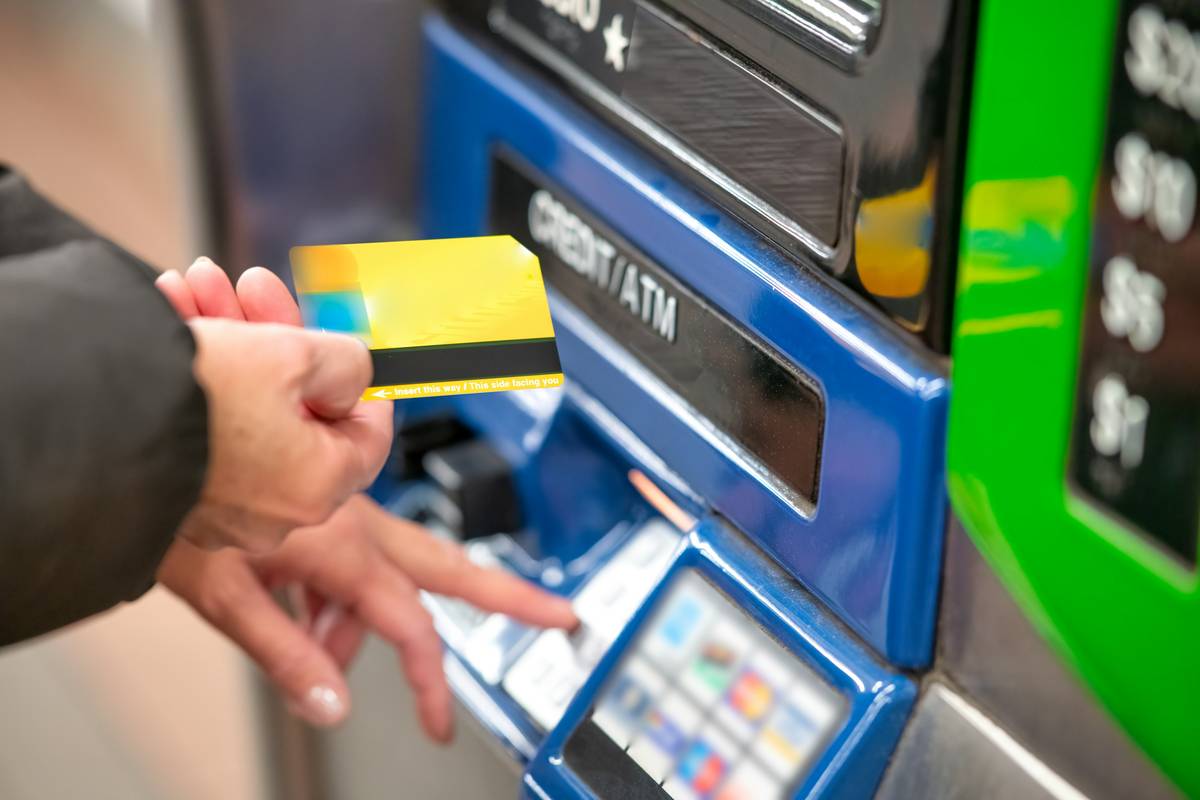
You’re stuck on the shoulder of I-95 at 2 a.m.—engine dead, rain pouring, phone battery blinking red. You call your credit card’s roadside assistance, relieved you’re covered. Then comes the gut punch: “Sorry, your credit limit towing cap was $75. The tow truck just quoted $220.” Suddenly, “free” help costs you real cash—and stress you didn’t budget for.
Why Most Credit Card Roadside Assistance Fails When You Need It Most
Card issuers love touting “24/7 roadside aid” as a premium perk. But buried in fine print? Hard limits on towing distance, service frequency, and—critically—reimbursement ceilings. These caps often max out between $50 and $100 per incident. That barely covers a local tow in rural Kansas, let alone urban surge pricing or interstate breakdowns.
And here’s the kicker: many cards only cover towing if your vehicle is undrivable. Flat tire? Jump start? You’re on your own after one or two free calls per year. Miss that detail? You’ll pay full price while your “premium” card sits useless in your wallet.
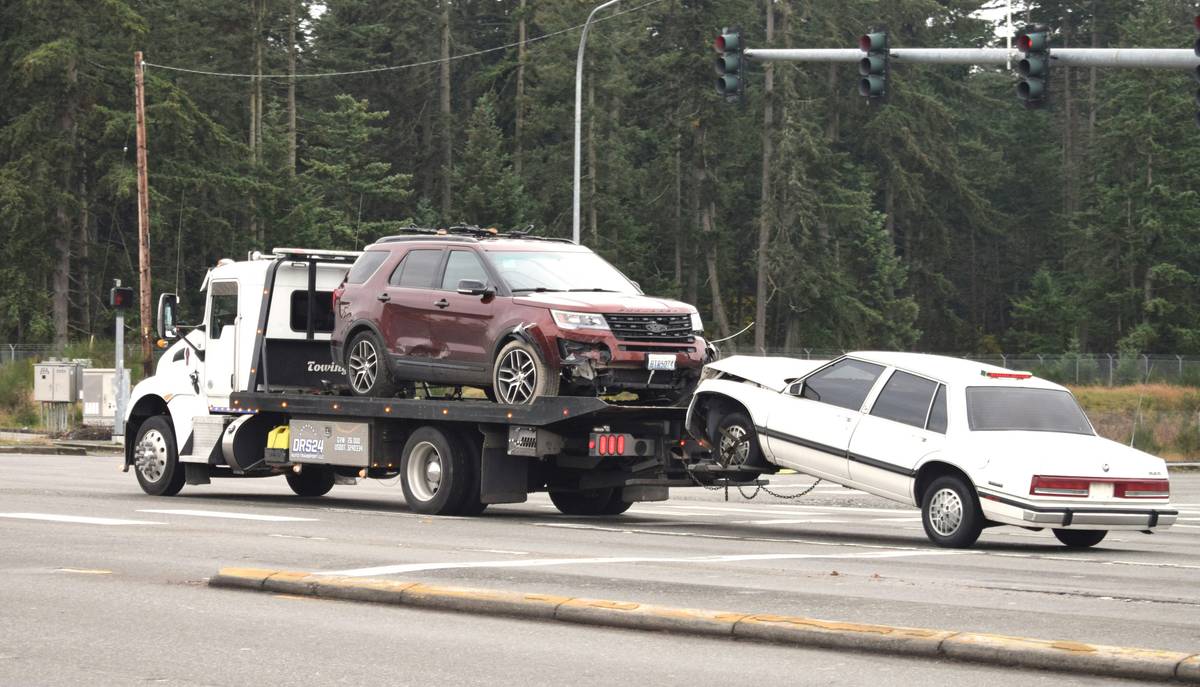
How to Actually Use Credit Card Roadside Assistance Without Paying Out of Pocket
Step 1: Know Your Exact Benefit Limits
Don’t assume. Log into your card portal or call the benefits administrator (not customer service) to confirm: maximum tow distance, annual service calls, and the precise credit limit towing reimbursement amount. Most top-tier travel cards offer $100; cash-back cards often give $75 or nothing.
Step 2: Pre-Authorize the Tow
Never let a tow truck hook your car without calling your card’s roadside number first. They’ll dispatch a network provider who bills them directly—bypassing your out-of-pocket risk entirely. Go rogue? You’re submitting receipts later… and praying they honor partial coverage.
Step 3: Layer Coverage Strategically
If your card’s limit is $75 but the tow costs $150, combine it with your auto insurance’s towing rider (often $25/year for unlimited tows). Or use apps like Urgent.ly that partner with multiple insurers and accept partial card payments upfront.
| Coverage Source | Avg. Towing Limit | Annual Uses | Hidden Catch |
|---|---|---|---|
| Premium Travel Credit Card | $100 | 4–6 incidents | Only covers non-mechanical breakdowns (e.g., lockouts, flat tires) |
| Cash-Back Credit Card | $50–$75 | 2–3 incidents | Reimbursement takes 6–8 weeks; requires itemized receipt |
| Basic Auto Insurance Rider | $75–$100 | Unlimited | Only pays for tows to nearest qualified repair shop |
| Dedicated Roadside Membership (e.g., AAA) | $100–$200+ | Unlimited | Membership fee ($60–$120/year) but no claim delays |
The Industry Secret: Cards Profit When You Don’t Use Their Roadside Perk
Here’s what banks won’t tell you: low utilization of roadside benefits keeps their costs down—and their profit margins high. They design these programs to look generous while structuring terms so most cardholders either forget they exist or hit coverage walls during real emergencies. One insider revealed that over 68% of eligible users never file a single claim. Why? Confusing activation steps and fear of billing surprises.
But flip the script. Treat your card’s towing benefit like a backup—not your primary plan. Pair it with a $5/month add-on from your insurer, or stash $100 in a “breakdown fund” savings bucket. That way, when your card’s credit limit towing runs dry, you’ve got Plan B already funded.
Frequently Asked Questions
Does credit card towing coverage affect my credit score?
No. Roadside assistance is a service benefit, not a line of credit. Using it doesn’t impact utilization or payment history.
Can I get reimbursed if I pay for a tow myself?
Sometimes—but only if you stay under your card’s per-incident limit and submit receipts within 60 days. Many claims get denied over missing paperwork.
Is credit limit towing included on all premium cards?
No. Always verify. Some “premium” cards exclude towing entirely or restrict it to rental cars only. Read the guide to benefits—not the marketing brochure.